
Meal Planning for Weight Loss: Incorporating Frozen Meals Into Your Diet
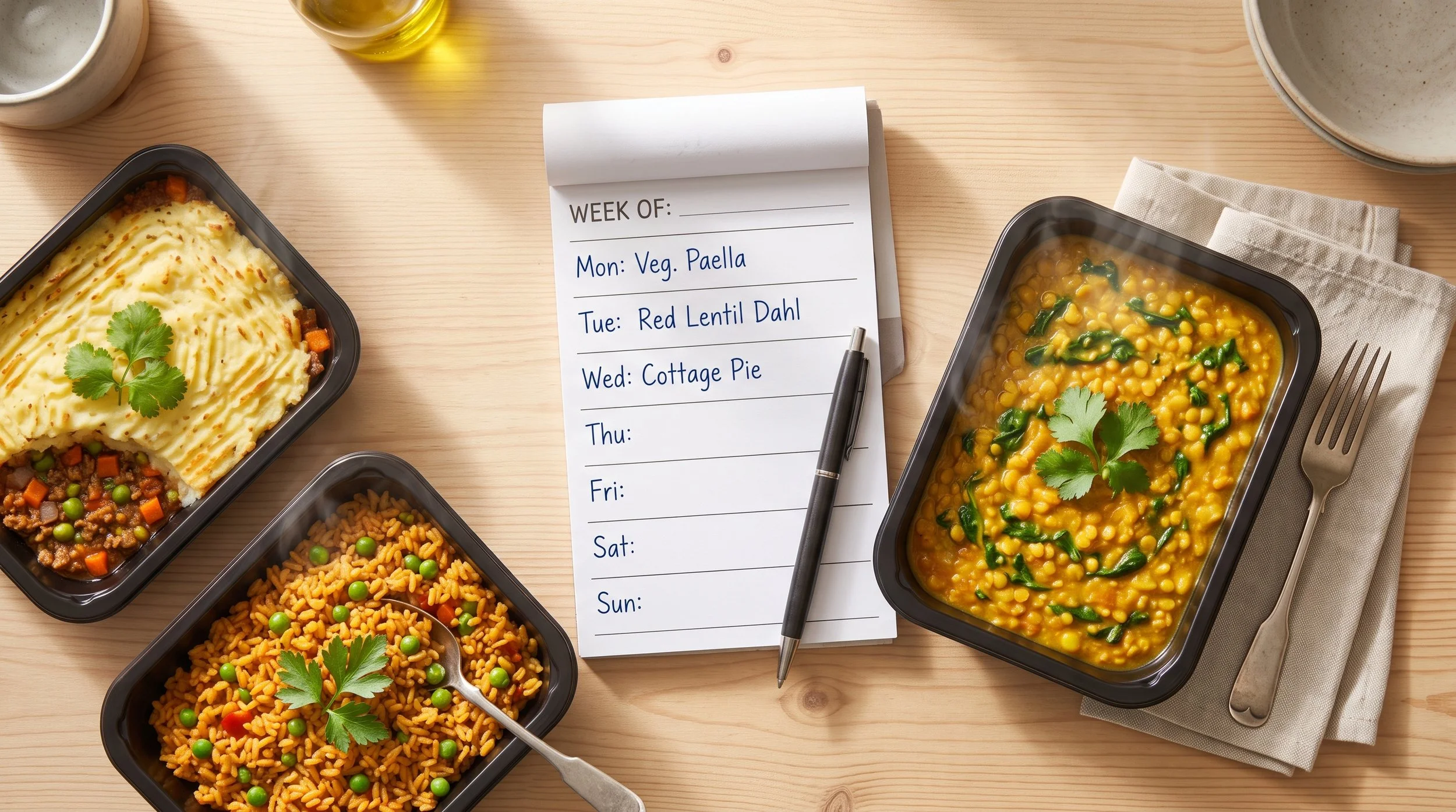
The 6pm Panic
You had a plan. Monday morning, full of good intentions, you told yourself this would be the week you finally stuck to your weight loss goals. By Wednesday evening, you're standing in front of an open fridge with nothing prepped, no energy to cook, and a takeaway app one tap away from ruining your progress.
This isn't a willpower problem. It's a planning problem, and it's one of the biggest reasons diets fall apart before they've had a chance to work. Life gets busy, motivation dips, and cooking from scratch every single night simply isn't realistic for most people in New Zealand juggling work, whānau, and everything in between.
Meal planning for weight loss doesn't have to mean hours in the kitchen every Sunday. Frozen meals, when chosen carefully, can fit neatly into a weight loss plan because they come in fixed portions, list exact nutrition, and remove the guesswork that trips up most diets. Look for meals with at least 20–25g of protein, moderate calories, and simple, whole ingredients — then build your week around two or three of these as a base, filling the gaps with fresh sides. My Kitchen Table makes this easy with chef-made, portion-controlled meals delivered straight to your door.
Key Takeaways
Frozen meals aren't the enemy of weight loss — the wrong frozen meals are
Look for at least 20–25g protein and moderate calories per serving
Portion control is built in, which removes daily guesswork
Anchor three to four nights a week around a frozen main, then add fresh sides
Single-serve meals help most if overeating is your biggest challenge
Consistency, not perfection, is what actually drives weight loss results
Batch-ordering a meal box every fortnight makes planning nearly effortless
What This Guide Is About
This guide is about building a realistic, sustainable meal plan for weight loss that leans on good-quality frozen meals rather than fighting against them. Too many diet plans assume you'll cook from scratch every day, and when that plan meets a busy Tuesday, it collapses — and so does your motivation.
Below, you'll find out how frozen meals actually support weight loss rather than sabotage it, what to look for on the label, and how to slot them into a weekly plan that still feels balanced and enjoyable. You'll also get a simple framework for building your own week, plus answers to the questions Kiwis search for most when they're trying to eat better without burning out on meal prep.
Why Frozen Meals Get a Bad Reputation (And Why It's Outdated)
Frozen meals earned their reputation decades ago, back when the freezer aisle was stacked with beige trays of mystery meat swimming in sodium. That reputation has stuck around, even though the category has changed enormously.
Today's better frozen meal brands are built around whole ingredients, proper protein levels, and clear nutrition panels — not preservatives and filler. The freezing process itself doesn't strip nutrients; in fact, vegetables and proteins are often frozen within hours of being prepared, locking in vitamins and minerals that fresh food can lose while sitting in transport or on a shelf for days. If you've read our piece on the health benefits of frozen meals, you'll know this myth doesn't hold up once you look at how meals are actually made.
The real issue isn't the freezer. It's the specific meal you pick. A meal built around lean protein, vegetables, and a modest portion of carbohydrate behaves very differently in your body than a low-calorie ready meal padded out with pasta and sauce.
How Frozen Meals Actually Support Weight Loss
Portion Control Without the Guesswork
One of the quiet reasons diets fail is portion creep. A "serving" of pasta cooked at home is often two or three times a proper portion, and it's easy to lose track once the pot is in front of you. A frozen meal removes that guesswork entirely — the calories, protein, and portion size are fixed before you've even opened the packet.
Research on portion-controlled eating consistently points the same direction: people who use pre-portioned meals tend to find it easier to stay within their calorie target, simply because there's no decision left to make in the moment you're hungriest and least likely to make a good choice.
Protein Density Matters More Than Calories Alone
Not all "diet" frozen meals are created equal. Older-style light meals often kept calories low by shrinking the whole meal, protein included — which leaves you hungry an hour later and more likely to snack. The better approach is choosing meals with a strong protein-to-calorie ratio: aim for meals delivering at least 20–25g of protein, ideally without the calorie count climbing much past 500–600 for a main meal.
Protein does double duty for weight loss. It keeps you feeling fuller for longer, and it helps protect your muscle mass while you're in a calorie deficit — something that matters just as much for your metabolism as the number on the scale.
Consistency Beats Perfection
The single biggest predictor of whether a weight loss plan works isn't the exact diet you follow — it's whether you can stick with it. A 2020 study published in the International Journal of Obesity found that people using portion-controlled meals achieved noticeably better weight loss results over twelve weeks than those left to plan and portion their own meals from scratch. The takeaway isn't that frozen meals are magic. It's that removing daily decision fatigue makes it far easier to stay consistent, and consistency is what actually moves the needle.
Key Benefits of Building Your Weight Loss Plan Around Frozen Meals
Built-in portion control — no scales, no guesswork, no "just a bit more"
Clear nutrition information — every gram of protein and every calorie is on the label
Less decision fatigue — fewer choices to make when you're tired or short on time
Reduced food waste — you only defrost what you'll actually eat
Faster weeknight dinners — a proper meal in minutes instead of a takeaway detour
Building Your Weekly Meal Plan: A Simple Framework
You don't need a spreadsheet to make this work. A simple, repeatable structure is far more sustainable than a rigid meal-by-meal plan you'll abandon by Thursday.
Step One: Anchor Three or Four Nights With Frozen Mains
Pick three or four nights where you know you'll be tired, busy, or tempted to skip cooking altogether, and anchor those around a good frozen main. Protein-forward options like beef bolognaise, chicken cassoulet, or red lentil dahl give you a genuine, satisfying dinner without the prep time.
Step Two: Fill the Gaps With Fresh, Simple Sides
Round out a frozen main with something fresh and fast: a bag of salad, steamed greens, or roasted vegetables. This takes five minutes and adds fibre and volume to your plate, which helps with fullness without adding many calories.
Step Three: Use Single-Serve Options for Portion Discipline
If overeating is your main challenge, single-serve meals like the seafood chowder or spaghetti bolognaise single-serve take the decision out of your hands entirely — there's no serving spoon involved, just a clear, fixed portion.
Step Four: Batch Your Freezer Once a Fortnight
Rather than shopping and deciding every day, order a meal box once a fortnight and stock your freezer properly. This turns weight loss meal planning from a daily chore into a two-minute decision made once every two weeks.
What to Look for on the Label
When you're choosing frozen meals for weight loss, a few simple checks make all the difference.
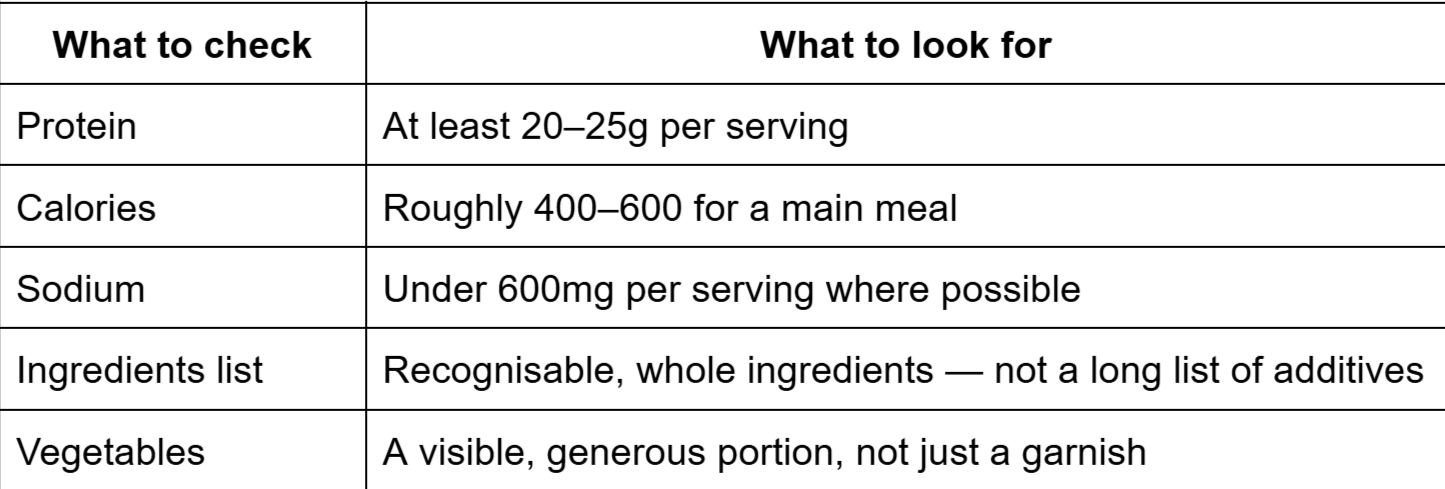
My Kitchen Table meals are made with clean, locally sourced ingredients and skip the unnecessary preservatives and artificial additives that give the whole category a bad name. You can browse the full shop range here to see exactly what's in every meal before you order.
Common Mistakes to Avoid
It's easy to undo the benefit of a good frozen meal with a few small habits. Adding a large side of chips, doubling up on bread, or treating every frozen meal as "diet food" regardless of what's actually in it can all quietly cancel out your progress. The fix is simple: read the label the same way you would for any meal, fresh or frozen, and build your plate around protein and vegetables first.
It also helps to avoid relying on the same one or two meals every week. Variety keeps you satisfied and stops weight loss meal planning from feeling like a punishment — which is exactly when most people give up.
Ready to Simplify Your Weight Loss Meal Plan? (Your Next Step)
You don't need to overhaul your whole life to eat better this week. Start small: swap two chaotic weeknight dinners for a properly portioned, protein-rich frozen meal, and see how much easier the week feels. Browse the full My Kitchen Table shop, check out our delivery information to see how easy it is to get started, or read more on our blog for more ways to eat well without the stress. Got questions first? Our FAQs page covers the basics, or you can contact us directly — we're always happy to help you find the right meals for your goals.
Bringing It All Together (Conclusion)
Meal planning for weight loss doesn't need to mean spiralised courgette and Sunday-long cook-ups. For most people, the plan that actually works is the one that survives a busy Wednesday — and that's exactly where a well-chosen frozen meal earns its place. By focusing on protein, checking the label, and letting a few reliable meals anchor your week, you take the daily decision-making out of your diet and replace it with something far more sustainable: consistency.
If you're ready to make this week easier than the last one, take a look at the My Kitchen Table shop and see how a freezer full of properly portioned, chef-made meals can support the goals you've already set for yourself.
Frequently Asked Questions
-
The best options are single-serve or clearly portioned meals with at least 20–25g of protein and a good serving of vegetables, without excess sodium or added sugar. Kiwi-made brands using whole, local ingredients tend to be a safer bet than heavily processed imports. Checking the nutrition panel, not just the marketing on the box, is the most reliable way to choose well.
-
Start by picking three or four nights a week you'll anchor around a frozen main, then build the rest of your meals around fresh, simple ingredients. Choose meals with balanced protein and vegetables rather than "diet" labels alone. Order a small batch first, see how it fits your appetite and schedule, then adjust the following fortnight.
-
You can order chef-made frozen meals online for home delivery, browse in-store at select supermarkets, or check your nearest stockist. My Kitchen Table delivers nationwide and lists all current stockists here, so you can choose whichever option suits your routine best, whether that's a delivery box or an in-person pickup.
-
Look for a delivery service that lists full nutrition information, uses whole ingredients, and offers portion sizes suited to your goals, rather than oversized "value" meals. My Kitchen Table offers a range of meal boxes built around clean, balanced recipes, with single-serve options available for anyone focused on portion control specifically.
-
Map out your busiest three or four nights first, since these are the ones most likely to derail your diet. Assign a protein-forward frozen meal to each of those nights, then fill the remaining days with fresh, simple cooking. Round every meal out with vegetables or salad to add volume and fibre without many extra calories.
-
Check the protein content first, aiming for at least 20g per serving, then look at total calories and sodium. Avoid meals where pasta, rice, or sauce make up most of the plate, since these fill you up quickly without much staying power. A short, recognisable ingredients list is generally a good sign.
-
Yes, many delivery brands offer smaller starter boxes so you can trial the service before committing to a larger order. Ordering in bulk and batching your freezer once a fortnight, rather than buying single meals repeatedly, usually works out more cost-effective for regular weight management use.
-
Some services offer flexible, pause-anytime subscriptions rather than locked-in contracts, which suits people whose routines change week to week. Comparing cost per serving, not just the box price, is the best way to judge affordability, since larger boxes often work out cheaper per meal than smaller ones.
-
Nutritional quality varies enormously between brands, even within the same "diet" category. Some keep calories low by shrinking protein along with the portion, leaving you hungrier sooner, while others prioritise a strong protein-to-calorie ratio that keeps you fuller for longer. Comparing grams of protein per 100 calories is a quick way to judge which meal will actually serve your goals.
-
Treat frozen meals as one tool among several, not the whole plan. Use them to cover your busiest nights, pair them with fresh vegetables or salad, and keep a rotation of three or four favourites so meals don't feel repetitive. This balance makes it far easier to stick with your plan long term.